
Dental Inlays and Onlays In St. Albert
Do You Think Your Tooth is Damaged or Decayed?
Learn how dental inlays, onlays, and overlays can protect your teeth
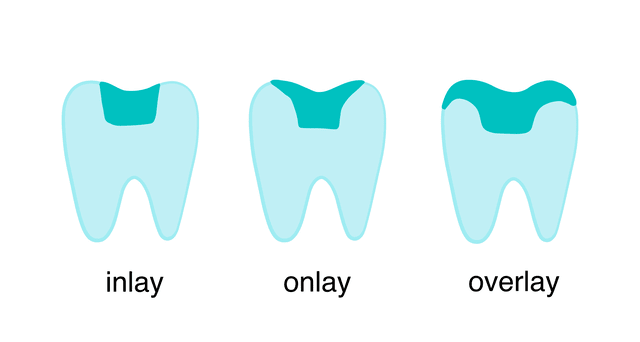
Inlays, onlays and overlays are an in-between dental fillings and dental crowns.
Learn the difference between the three by scrolling down the page.
Related Services
Emergency Cases
If You Are In the St. Alberta Area and Have a Dental Emergency. Please Call Us At:
What Are Dental Inlays, Onlays and Overlays?
Inlays and Onlays are recommended for those with large areas of tooth decay or damage that has not yet comprised the tooth structure enough to warrant a crown. Inlays and Onlays are generally stronger and longer lasting than regular fillings, but not as much as dental crowns.
Inlays
A dental inlay is the filling that is placed inside the tooth after it’s cleaned, typically it is used to restore weakened or damaged teeth.
Onlays
A dental onlay is the sealant that is applied to the surface of the tooth, typically it is used to restore weakened or damaged teeth.
Overlays
Used when the crown of the of the tooth needs to be almost completely replaced by severe damages of chips. An overlay is used to keep the natural tooth structure intact.
Benefits Of Dental Inlays, Onlays, Overlays

Custom-Made For You
Dental Inlays, Onlays and Overlays are custom-made for each patient to provide the best fit possible. They are often made to match your natural teeth shade.

Helps To Prevent Tooth Loss
Used to restore the structure and functionality of your teeth, minimizing the risk of additional damage, helping prevent the tooth from being extracted.
Long-Lasting
These restorations are durable, and if cared for can last 10-30 years as long as you maintain your daily hygiene habits of brushing, flossing and regular cleanings. No additonal or special maintenance is required.
Find a Natural Fix For Your Teeth
Learn how a Inlay, Onlay or Overlay will help to strengthen your teeth.
Find a Natural Fix For Your Teeth
Learn how a Inlay, Onlay or Overlay will help to strengthen your teeth.

Teeth Preparation
First, the area is numbed. If there is an existing filling, it is carefully removed and cleaned from any bacteria. Then the area is smoothed and shaped to make room for the inlay, onlay or overlay.
Custom Inlay, Onlay or Overlay Is Created
A mould is taken of your tooth and used to create a custom inlay, onlay or overlay. After the mold is finished being made, it will be placed. Sometimes a temporary one will be placed as your custom one might need to go to our lab.
Placement
Once the inlay, onlay or overlay is created, it will then be placed onto your teeth and sealed. Next, Dr Dimitrov will evaluate your bite to ensure everything fits comfortably.
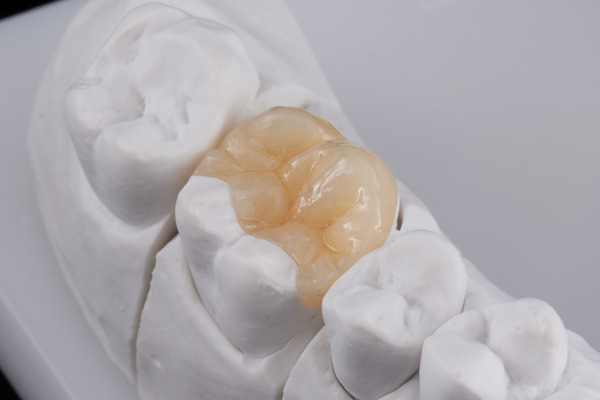
Examples of a Dental Onlay and an Inlay

Questions We Often Hear From Patients
How are Inlays and Onlays Different from Fillings?
- Material and Fabrication: Inlays and onlays are typically made from durable materials like porcelain, gold, or composite resin and are custom-made in a dental lab. Fillings are made from composite, amalgam, or other materials and are moulded into place directly in the cavity during your dental visit.
- Fitting and Structure: Inlays fit inside the cusps (bumps) of the tooth, while onlays cover one or more cusps. Fillings fill in where decay has been removed without covering the cusps.
- Durability: Inlays and onlays are generally more durable than fillings. They are better suited for larger cavities or areas of decay.
- Preservation of Tooth Structure: Inlays and onlays are more conservative than fillings as they require less removal of the natural tooth structure.
How Long Do Inlays and Onlays Last?
Inlays and onlays are known for their longevity. They can last anywhere from 10 to 30 years, or even longer, depending on the material used, the tooth’s location, the size of the inlay or onlay, and the patient’s oral hygiene habits. This lifespan is significantly longer than that of conventional fillings.
Are Inlays and Onlays Better Than Crowns?
The choice between inlays/onlays and crowns depends on the specific dental situation:
- Preservation of Tooth Structure: Inlays and onlays are often preferred when the tooth structure is sufficient, as they require less removal of the tooth. Crowns are used when a tooth is more severely damaged or decayed.
- Strength and Protection: Crowns provide more comprehensive coverage and are stronger as they encase the entire tooth. This can be beneficial for teeth that have undergone significant stress or decay.
- Aesthetic and Functional Needs: Both options can offer good aesthetic results, but the best choice will depend on the individual’s specific dental needs and the dentist’s recommendation.
How Do I Care for My Inlay or Onlay?
- Regular Oral Hygiene: Brush twice a day and floss daily. Pay special attention to the area around the inlay or onlay to prevent plaque buildup.
- Regular Dental Check-ups: Visit your dentist regularly for check-ups and cleanings to ensure the inlay or onlay remains in good condition.
- Avoid Hard Foods: Be cautious with hard foods and avoid using your teeth as tools to prevent damaging the restoration.
- Wear Protection if Necessary: If you grind your teeth at night, consider wearing a night guard to protect the inlay or onlay.

Meet Dr. Arnold Dimitrov
Dr. Arnold Dimitrov has been fixing patients smile in St. Alberts for the past 30 years. If you are considering inlays, onlays, or overlays Dr. Dimitrov can guide you to whats best for your teeth and smile.
Schedule an Initial Consultation with Dr. Arnold Dimitrov
Related Services
Cosmetic Dental Quiz
If you’re wondering which cosmetic treatment could help improve your smile, try our Cosmetic Dental Quiz to see which options may be right for you.