
Root Canal Treatment In St. Albert
Are you experiencing tooth pain or distress
caused extensive decay, infection, tooth trauma or gum disease?
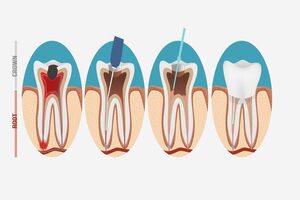
Root Canal treatment is performed when tooth decay has reached the inner tooth tissue. The treatment allows a patient to keep their tooth, but it consists of completely removing the damaged tissue (pulp) from the tooth roots, which are usually infected with bacteria.
Removing the tissue helps to prevent infection from spreading to the jawbone, which can cause general health issues. In addition, the entire pulp in the root canal is sealed with a special compound to eliminate room for any remaining bacteria the chance to grow.

Related Services
Emergency Cases
If You Are In the St. Alberta Area and Have a Dental Emergency. Please Call Us At:
What are some common symptoms which might require a root canal treatment?
- A dull, continuous ache or shooting pain in your teeth or jaw
- Severe temperature sensitivity
- Spontaneous or severe pain when biting down or chewing
- Chipped, cracked, or loose teeth
- Swollen gums
What Happens During a Root Canal Procedure?
Typically a root canal treatment can take one or two hours to complete

Step 1 – Numb the tooth
The first step is numbing the area of the mouth around the tooth that is being worked on.

Step 2 - Cleaning
After the tooth is numb, Dr. Dimitrov will clean out and shape each root canal

Step 3 - Filling
After the cleaning the root canal, the canal is then disinfected and a filling will be applied. Often a crown is recommended to prevent any future fractures.
For More Root Canal Information
Then click to see our blog – Feel Pain Relief Through a Root Canal – What You Need to Know
A Root Canal therapy procedure typically takes one to two hours, depending on the extent of the infection or inflammation. You may experience discomfort or sensitivity in the treated tooth for a few days following the procedure. However, this can be managed by taking an over-the-counter medication such as Advil or Tylenol. At Mission Hill Dental, we use the latest techniques and materials to ensure your root canal therapy is effective and long-lasting, so you can enjoy a healthy, functional smile for years to come.
Do You Need a Root Canal?
Contact us to book your appointment pain-free
Do You Need a Root Canal?
Contact us to book your appointment pain-free
Questions We Often Hear From Patients
How Long Does a Root Canal Take?
The duration of a root canal procedure can vary, but it typically takes between 1 to 2 hours. This can depend on the complexity of the procedure and the specific tooth involved. Some teeth have more roots and canals than others, which might require more time. In some cases, the treatment might be split into two appointments.
How Successful are Root Canal Treatments?
Root canal treatments are highly successful, with success rates of over 95%. When performed properly, a root canal can save and keep a tooth functional for many years. The treated tooth can last a lifetime with good oral hygiene and regular dental checkups. In some cases, a tooth that has undergone a root canal might need further treatment in the future, but these cases are relatively rare.
What is the Difference Between a Root Canal and a Tooth Extraction?
The primary difference lies in the goal and outcome of the procedures:
- Root Canal: The aim is to save the natural tooth. The procedure involves removing the infected or damaged pulp, cleaning and disinfecting the inside of the tooth, and then filling and sealing it. This allows the tooth to remain in place, maintaining the natural bite and jaw alignment.
- Tooth Extraction: This involves completely removing the tooth from the mouth. Extractions are generally considered a last resort when a tooth is too damaged or decayed to be saved. After an extraction, a dental implant or bridge may be needed to fill the space and prevent other teeth from shifting.
Root canal or extraction — how do I know what’s best for my tooth?
We weigh how much healthy tooth structure remains, the extent of infection, the stability of the surrounding bone and gum, and your goals. If the tooth can be predictably restored after cleaning the infection inside the root, a root canal with a final crown preserves your natural tooth and bite. Extraction is considered when the crack extends below the bone, the tooth cannot be sealed reliably, or the long-term prognosis is poor. We review x-rays and a clinical exam with you so the choice is clear and aligned with your priorities.
Is throbbing pain 3 days after a root canal normal?
Mild aching or tenderness for a few days is common as inflamed tissues around the root settle, especially when chewing. Throbbing that is gradually improving is usually part of the normal healing process. Manage discomfort with recommended pain relief, a soft diet, and gentle brushing. If pain is worsening, you have swelling, fever, or pain when touching the tooth that does not ease, contact us. You may simply need an adjustment to the temporary or bite, or in some cases, additional care to calm lingering inflammation.
What causes a root canal to fail years later?
Even well-done root canals can fail if bacteria re-enter the tooth through a leaking filling or crown, if a hidden canal was missed, or if a root develops a crack. Over time, wear at the edges of the restoration can open tiny gaps that allow bacteria to seep in. Symptoms can include tenderness, swelling, a small gum pimple, or a dull ache. Retreatment or a small surgical procedure can often resolve the issue and save the tooth, followed by a well-sealed final restoration.
Can a root canal be done in one visit or two?
Many straightforward root canals can be completed comfortably in a single visit using modern techniques and instruments. We may recommend two visits if the infection is significant, if multiple canals are complex, or if we want to place medication inside the tooth to calm inflammation before sealing it. Our priority is predictable comfort and long-term success, so we will choose the approach that gives your tooth the best outcome and gets you back to normal quickly.
How long should numbness last after a root canal?
Numbness from local anesthesia typically wears off within 2 to 4 hours, though it can last a bit longer depending on the anesthetic and individual response. While you are numb, avoid chewing on your cheek, lip, or tongue and stick to softer foods. If numbness persists much longer than expected or is accompanied by unusual symptoms, let us know so we can check in. Most people are comfortable resuming normal activities the same day once sensation returns.
What happens if I delay a root canal on an infected tooth?
Delaying treatment allows bacteria to spread deeper into the tooth and surrounding bone, which can lead to a painful abscess, swelling, and bone loss that makes saving the tooth more difficult. The infection can also affect your general health and may eventually require an extraction. Treating the tooth sooner removes the infection source, relieves pain, and preserves your natural bite. If you are unsure about timing, we can often provide a short-term plan to keep you comfortable while you schedule definitive care.
What foods can I eat after a root canal and crown placement?
Right after treatment, choose soft foods such as yogurt, eggs, soups, mashed potatoes, pasta, and smoothies, and avoid very hot, hard, or sticky foods until tenderness resolves. If you are wearing a temporary crown, chew on the opposite side and avoid gum, sticky foods such as caramels. After the permanent crown is placed and the bite feels comfortable, you can return to your normal diet. Good brushing, flossing, and regular cleanings keep the area healthy while it heals.
Do root canals last forever, or will I need one again?
Many root canal teeth last for decades when the tooth is properly cleaned, sealed, and protected with a well-fitting crown. Success depends on the quality of the root canal treatment, the final restoration, your bite forces, and your oral hygiene. While most teeth do not need another root canal, retreatment can be successful if a new leak or missed canal causes symptoms later. Regular exams let us monitor the tooth and keep the surrounding gum and bone healthy.
How can I tell if my root canal infection has returned?
Warning signs include a small pimple on the gum that drains occasionally, swelling or tenderness when chewing, persistent bad taste, or a dull ache that comes and goes. Sometimes there are no obvious symptoms and an x-ray reveals a slow change at the root tip. If you notice these changes, we will examine the area, take an x-ray, and discuss options such as retreatment or a minor surgical procedure to clean the area and reseal the tooth.
Can antibiotics cure an infected tooth without a root canal?
Antibiotics can reduce swelling and ease symptoms temporarily, but they cannot reach and clean the infected tissue inside the root system. Without removing the source of infection, symptoms typically return. A root canal physically cleans, disinfects, and seals the inside of the tooth, which is why it is the definitive treatment to save an infected tooth. We use antibiotics only when appropriate as a support, not as a stand-alone cure.
Can a root canal tooth still get cavities?
Yes. A root canal removes the nerve and infection inside the tooth, but the outer tooth structure can still develop decay, especially at the edges of the crown or filling. Daily brushing and flossing, limiting frequent sugar exposures, and regular checkups are key to protecting the restored tooth. If we detect early changes at the margin, a simple repair can often prevent a larger problem and keep your tooth strong.

Meet Dr. Arnold Dimitrov
Dr. Arnold Dimitrov believes no one should have to endure living with pain or discomfort in their tooth. Dr. Dimitrow has been treating patients in St. Albert and area for the past 30 years. We want to help you get rid of any tooth pain and get you back to enjoying the foods you love.
Schedule an Initial Consultation with Dr. Arnold Dimitrov
Related Services