Sometimes the thing bothering you about your smile is not a major dental problem. It is one chipped edge that catches your eye in photos. Or a small gap that makes two front teeth look a little uneven. Or a spot that never seems to match the rest of your smile, even after whitening.
That is where tooth bonding can be a really practical option.
At Mission Hill Dental in St. Albert, tooth bonding is used to improve small cosmetic issues without turning the process into a big project. It is one of the quickest and most affordable ways to make a visible change to your smile, and in many cases, the result can be seen right away.
What is tooth bonding?
Tooth bonding is a cosmetic treatment that uses a tooth-coloured resin to improve the shape or appearance of a tooth. The material is placed directly onto the tooth, shaped carefully, and then hardened with a special light so it bonds in place.
Once it is polished, the goal is for it to blend in naturally with the rest of your smile.
This is not the kind of treatment people usually choose when they want a dramatic full-smile makeover. It is more often the right fit for smaller fixes that still make a real difference.
Why patients like bonding
The biggest selling point is simple: bonding is fast.
Mission Hill Dental notes that treatment usually takes about 30 to 60 minutes per tooth. That means many patients can come in with a chip, gap, or uneven edge and leave the same day with a smoother-looking smile.
The second big reason patients like it is affordability. Bonding is generally one of the more affordable cosmetic dental treatments, which makes it appealing to people who want to improve their smile without committing to something more involved like veneers.
And third, it is conservative. In many cases, little to no natural tooth structure has to be removed. That matters to patients who want a simple upgrade, not a full redesign.
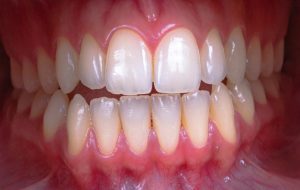
What is tooth bonding good for?
Bonding works best when the concern is small, visible, and fairly straightforward. Some of the most common reasons a dentist may recommend bonding include:
- repairing a chipped or slightly cracked tooth
- closing a small gap between teeth
- improving the look of minor discoloration
- reshaping a tooth that looks uneven or a bit too short
- covering a small cosmetic flaw that stands out when you smile
In plain language, bonding is good for the little things people notice every day. It can take a tooth that looks slightly off and help it look more balanced with the teeth around it.
How quickly do you see results?
Usually, very quickly.
This is one of the reasons bonding is such a popular treatment. Once the resin is shaped and polished, the improvement is visible right away. You do not have to wait weeks to see whether the change was worth it.
If your main goal is to fix one or two minor cosmetic issues before photos, a wedding, interviews, or just because you are tired of noticing them, bonding can be a smart option because the payoff is immediate.
Who is the ideal patient for tooth bonding?
The ideal patient is usually someone with healthy teeth and gums who wants to improve a small cosmetic concern without making treatment complicated.
Bonding may be a good fit if:
- you have a small chip, gap, stain, or shape issue
- you want a result that looks better quickly
- you prefer a more affordable cosmetic option
- you like the idea of a treatment that is often done in one visit
- you are looking for a conservative fix rather than a major smile makeover
A good candidate is often someone saying, “I do not hate my smile. I just want this one part to look better.”
That is exactly the kind of situation where bonding can shine.

When bonding may not be the best choice
Bonding is useful, but it is not the answer for everything.
If the tooth is badly damaged, if you want to change several front teeth at once, or if you are looking for the most stain-resistant and long-lasting cosmetic material possible, another treatment may make more sense. Veneers or crowns may sometimes be the better option depending on the tooth and the goal.
Bonding also is not usually the right fix for major bite problems, significant crowding, or large structural issues. That is why a proper exam matters. The best cosmetic treatment is not the one that sounds easiest. It is the one that actually fits the condition of your teeth.
What should patients know before choosing bonding?
The main trade-off is durability.
Bonding can look excellent, but the resin is not as stain-resistant or as durable as porcelain. Over time, bonded areas may need touch-ups or replacement, especially if you bite your nails, chew ice, grind your teeth, or drink a lot of coffee, tea, or red wine.
That does not make bonding a bad option. It just means it is best to think of it as a smart, practical fix for the right kind of problem.
A small change can go a long way
Not every smile improvement has to be expensive, dramatic, or drawn out over multiple appointments. Sometimes the best cosmetic dental treatment is the one that handles the issue simply and gets you back to your day.
If you have a chipped tooth, a small gap, or another minor flaw that keeps pulling your attention, tooth bonding may be worth a closer look. It is quick. It is affordable. And when it is used for the right kind of concern, the results can be noticeable almost immediately.
At Mission Hill Dental, patients in St. Albert can talk through whether bonding makes sense for their smile goals, budget, and timeline. If you are looking for a practical way to improve a few small things without overdoing treatment, booking a consultation is the best next step.
When you should book an appointment?
At Mission Hill Dental, patients in St. Albert can explore treatment options in a supportive, patient-focused setting. If you have questions about restoring a damaged tooth, booking a consultation is the best way to understand which option makes the most sense for your smile.