
Tooth or Teeth Extractions In St. Albert
Do You Have An Extreme Pain In Your Tooth?
Learn Why Tooth Extractions Might Be The Best Course For You
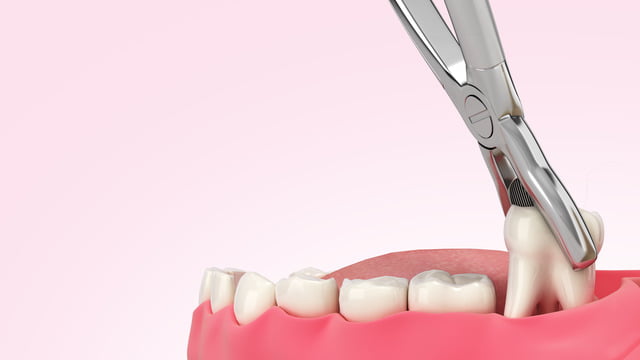
Tooth Extractions involve the removal of a tooth from its socket in the bone. Although a tooth has to be extracted for many reasons, some common examples are a painful tooth or a tooth that has been badly damaged by decay or infections.

Related Services
Emergency Cases
If You Are In the St. Alberta Area and Have a Dental Emergency. Please Call Us At:
Benefits of having a tooth or teeth extracted
Extractions are typically classified as either a simple extraction or a surgical extraction. A simple extraction involves a tooth that is viable above the gums, and Dr. Dimitrov can remove it in one piece. A surgical extraction is often more complicated and can involve gum tissue, bone or both, and the tooth may have to be removed in pieces.

Relieve you from pain
Tooth decay or an infection that has reached the root is the most common reason that a tooth needs to be removed. If the tooth is left untreated until it cannot be saved or the pain becomes severe, removing the tooth is the only way to lift the discomfort.

Extractions save your neighbouring teeth
If a tooth has been infected and not treated in the appropriate time, then the infection can spread to neighbouring teeth. In some instances removing one problematic tooth can save your other teeth.
What is the Tooth Extraction procedure like?

Examination
Before starting the tooth extraction procedure, Dr. Dimitrov will thoroughly examine your tooth and the surrounding tissues to determine the best course of treatment.

Anesthesia
To ensure you will be comfortable during your procedure, Dr. Dimitrov will numb the area around the tooth with a local anesthetic.
Tooth or Teeth Extraction
Dr. Dimitrov will gently and carefully remove the tooth from its socket in the bone using specialized instruments.
Post-Extraction Care
After the tooth has been extracted, the Mission Hill Dental staff will provide you with detailed instructions for post-extraction care, including how to manage any discomfort or swelling, how to properly care for the area, etc.

Restoration Options
Depending on the location of the extracted tooth and your individual needs, Dr. Dimitrov may recommend a dental restoration option such as a dental implant, dental bridge, or partial denture to replace the missing tooth and restore your smile’s function and appearance.
Are You In Pain? Or Are You Afraid To Get a Tooth Extracted?
Schedule a complimentary appointment with Dr. Dimitrov to review the options
Are You In Pain? Or Are You Afraid To Get a Tooth Extracted?
Schedule a complimentary appointment with Dr. Dimitrov to review the options
Questions We Often Hear From Patients
Why is Tooth Extraction Necessary?
Tooth extraction may be necessary for several reasons:
- Severe Tooth Decay: When a tooth is too decayed to be repaired.
- Infection: If tooth decay or damage extends to the pulp, leading to an infection that cannot be cured with root canal therapy.
- Gum Disease: Advanced periodontal disease may cause loosening of the teeth.
- Impacted Wisdom Teeth: When wisdom teeth are impacted or cause crowding, pain, or infection.
- Orthodontic Treatment: Sometimes, it is necessary to remove teeth to create space for the remaining teeth to be aligned properly.
- Fractured Teeth: If a tooth is fractured below the gum line
Is a Tooth Extraction Painful?
During the extraction, patients are typically given a local anesthetic to numb the area, so the procedure itself should not be painful. After the anesthetic wears off, some discomfort or pain is normal and can usually be managed with over-the-counter pain relievers. Your dentist may also prescribe pain medication if necessary.
How Long Does It Take to Recover from a Tooth Extraction?
Recovery time varies, but typically, it takes a few days to recover from a simple tooth extraction. The initial healing of the gum tissue usually takes about 3 to 4 weeks. However, the bone can take up to 6 months to fully heal. Following post-extraction care instructions is crucial to ensure a smooth recovery.
How Should I Prepare for a Tooth Extraction?
Invisalign’s success is dependent on how much you wear your trays. They should be worn 22 hours daily and only taken out to eat and clean your teeth. They can be removed for special events such as an interview or wedding, but we suggest being worn as much as possible.
What Are the Risks or Complications of Tooth Extraction?
While generally safe, tooth extraction can have risks or complications, such as:
- Infection: Signs include fever and increased pain.
- Dry Socket: A painful condition where the blood clot fails to form or is dislodged from the extraction site.
- Bleeding: Some bleeding is normal, but excessive bleeding may require medical attention.
- Damage to Adjacent Teeth: Particularly if the extraction is complicated.
What Should I Do After a Tooth Extraction?
Post-extraction care includes:
- Rest: Limit activity for the next 24 hours to reduce bleeding.
- Gauze Pad: Bite down gently but firmly on the gauze pad placed by your dentist to reduce bleeding and allow a clot to form.
- Pain Management: Take painkillers as prescribed.
- Avoid Rinsing or Sucking Actions: For 24 hours to prevent dislodging the blood clot.
- Soft Diet: Eat soft foods and gradually reintroduce solid foods as the extraction site heals.
Can I Eat Normally After a Tooth Extraction?
You should not eat normally immediately after a tooth extraction. For the first 24 hours, stick to soft and liquid foods like yogurt, soup, and applesauce. Avoid hot liquids and spicy, crunchy, or chewy foods that might irritate the extraction site. As the site heals, you can gradually reintroduce more solid foods into your diet.
What Are My Options for Replacing an Extracted Tooth?
Options for replacing an extracted tooth include:
- Dental Implants: A permanent solution that involves inserting a titanium post into the jawbone with a crown placed on top.
- Fixed Bridges: A prosthetic tooth anchored to adjacent teeth.
- Removable Partial Dentures: They are less invasive and more affordable options but may be less stable than implants or bridges.

Meet Dr. Arnold Dimitrov
Dr. Arnold Dimitrov has been helping patients in St. Albert with their tooth pains by extracting their teeth for the past 30 years. Schedule an appointment to discover how an tooth extraction can make your life more pain-free.
Schedule an Initial Consultation with Dr. Arnold Dimitrov
Related Services