
Black Spots on Teeth – Should You Be Concerned?
Have you ever noticed a black spot on your tooth and wondered what it is? Many people assume the worst when they see discolouration on their teeth, but not all black spots are cause for alarm. Some are harmless stains, while others may indicate an underlying dental issue.
Understanding what causes black spots on teeth can help you determine whether they require professional treatment. In this article, we’ll explore the common causes, when to be concerned, and how to prevent and treat black spots.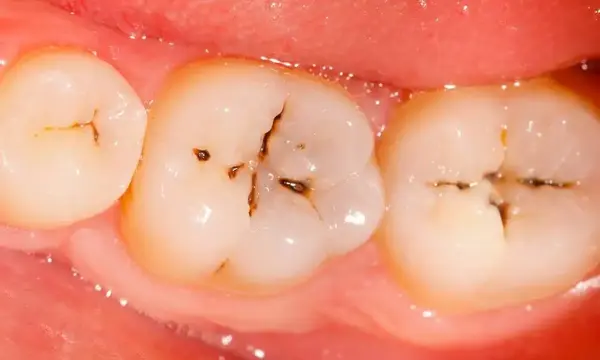
What Causes Black Spots on Teeth?
There are several reasons why black spots may appear on your teeth. While some are purely cosmetic, others signal potential dental problems. Let’s take a closer look at the most common causes.
Surface Stains from Food and Drinks
Dark-coloured foods and drinks, such as coffee, tea, red wine, berries and soy sauce, can stain the enamel over time. If not properly cleaned, these stains may appear as black or brown spots on the teeth.
However, surface stains are often removable with regular brushing, professional cleanings or teeth whitening treatments.
Plaque and Tartar Buildup
Plaque is a sticky film of bacteria that forms on teeth. If not removed, it hardens into tartar, which can appear yellow, brown, or black near the gumline. Tartar cannot be removed with regular brushing but requires professional cleaning by a dentist or hygienist.
Cavities and Tooth Decay
Tooth decay begins with minor demineralization or enamel and can develop into cavities. As the decay progresses, it may turn black due to bacterial building and the breakdown of tooth structure.
If you ever notice a black spot that feels rough or seems to be getting bigger, it may be a cavity that requires immediate treatment.
Fluorosis or Dental Hypoplasia
Excessive fluoride exposure during early childhood can lead to dental fluorosis, which sometimes appears as dark brown or black spots on teeth. Similarly, Dental Hypoplasia is a condition when the enamel does not fully develop—it can also lead to dark discolouration.
These conditions are not harmful, but they may be a common concern.
Silver Amalgam Fillings
Older silver amalgam fillings contain metal, which can darken over time. As these fillings age, they may cause the surrounding tooth structure to appear black or gray.
For those who want to improve the appearance of their smiles, replacing older fillings with tooth-coloured composite fillings is an option.
Trauma or Dead Tooth Nerve
If a tooth experiences trauma- such as a hard hit or deep decay- the nerve inside may die, causing the tooth to darken over time. A dead tooth may appear gray, brown, or black due to internal breakdown.
A root canal is often needed to save a dead tooth and prevent further complications.
When Should You Be Concerned?
Not all black spots are cause for concern, but some require immediate dental attention. Here’s how to tell the difference:
Signs that a black spot is harmless
• If that discolouration is on the surface and can be removed with brushing or dental cleaning, it is likely a stain.
• If the spot remains unchanged over time and does not cause pain, it may not be a serious issue.
Signs that it may indicate a dental problem
• If the black spot grows in size or feels rough, it may be a developing cavity.
• If the discolouration is accompanied by pain or sensitivity, it could indicate decay or nerve damage.
• If the black spots appear near the gumline and are accompanied by bleeding or swelling, gum disease may occur.
Why Early Detection Matters
Cavities, tartar buildup, and tooth decay worsen over time if left untreated. Scheduling regular dental checkups allows Dr. Dimitrov to catch and address these problems early, preventing further damage.
How Are Black Spots on Teeth Treated?
If you’re wondering which cosmetic treatment could help improve your smile, try our Cosmetic Dental Quiz to see which options may be right for you.
The best treatment for black spots depends on the underlying cause. Here are some common solutions:
Professional Teeth Cleaning
If the black spot is due to surface stains or tartar buildup, a professional cleaning can remove the discolouration. Dentists use scaling tools to break down tartar and polish the teeth, restoring their natural colour. Learn more about Cleanings.
Cavity Fillings
If the decay is the cause, Dr. Dimitrov will remove the damaged tooth structure and fill the cavity with a tooth-coloured composite resin or another material. Early treatment prevents the cavity from spreading and causing more significant problems. Learn more about Fillings.
Whitening Treatments for Stains
If the discolouration is due to external staining, professional teeth whitening treatments can lighten the appearance of black spots. Over-the-counter whitening products may also help with minor stains. Learn more about Teeth Whitening.

Root Canal or Extraction for Severe Cases
If the discolouration results from nerve damage or a dead tooth, a root canal may be necessary to save the tooth. In severe cases where a tooth cannot be restored, extraction may be required, followed by options like implants or bridges to replace the missing tooth. Learn more about Root Canals.
How to Prevent Black Spots on Your Teeth
Prevention is key to keeping your teeth stain-free and healthy. Here are some tips to avoid black spots on your teeth:
Good Oral Hygiene Practices and Regular Check-ups
• Brush twice a day with fluoride toothpaste to remove plaque and prevent cavities.
• Floss daily to clean between teeth and prevent tartar buildup
• Use an antibacterial mouthwash to help reduce plaque and bacteria.
• Visit Dr. Dimitrov at least twice a year for cleaning and checkups. Professional exams can detect and treat issues before they become serious.
Avoid Staining Foods and Drinks
• Limit consumption of coffee, tea, red wine, and dark-coloured foods.
• Rinse your mouth with water after eating staining foods.
Quitting Smoking and Tobacco Use
• Tobacco is one of the leading causes of stubborn black stains and gum disease.
• Quitting smoking not only improves oral health but also reduces the risk of other serious health conditions.
Black spots on teeth can be caused by various factors, ranging from harmless stains to serious dental issues like cavities and decay. Knowing the difference is critical for maintaining good oral health.
If you notice a black spot on your tooth, it’s best to have it checked by a dentist to determine the cause and appropriate treatment. Early detection can prevent further complications and keep your smile looking its best.
At Mission Hill Dental, Dr. Dimitrov and his team help you maintain healthy, stain-free teeth. Schedule an appointment today to address any concerns about black spots or other dental issues. Your smile deserves the best care.