
What Happens If You Ignore a Cracked Tooth?
You might be thinking, “It doesn’t hurt that much, maybe it’ll go away.” That’s a very normal reaction. Life gets busy, and if the pain fades, it feels easy to forget about it. But one thing to keep in mind is that a cracked tooth almost never heals on its own. In most cases, it quietly worsens over time.
At Mission Hill Dental in St. Albert, Dr. Dimitrov regularly treats patients who waited weeks or months before getting a cracked tooth examined. What started as a small issue often turns into a more complex restorative procedure. Understanding what is happening inside the tooth can help you make a smarter decision early.
What Happens If You Ignore a Cracked Tooth?
Teeth are strong, but they go through a lot every day. Biting hard foods, grinding at night, large old fillings, or even a sudden temperature change can create stress in the tooth structure.
You may notice:
- A sharp twinge when biting
- Sensitivity to cold drinks
- Pain that comes and goes
- Discomfort when you release pressure after chewing
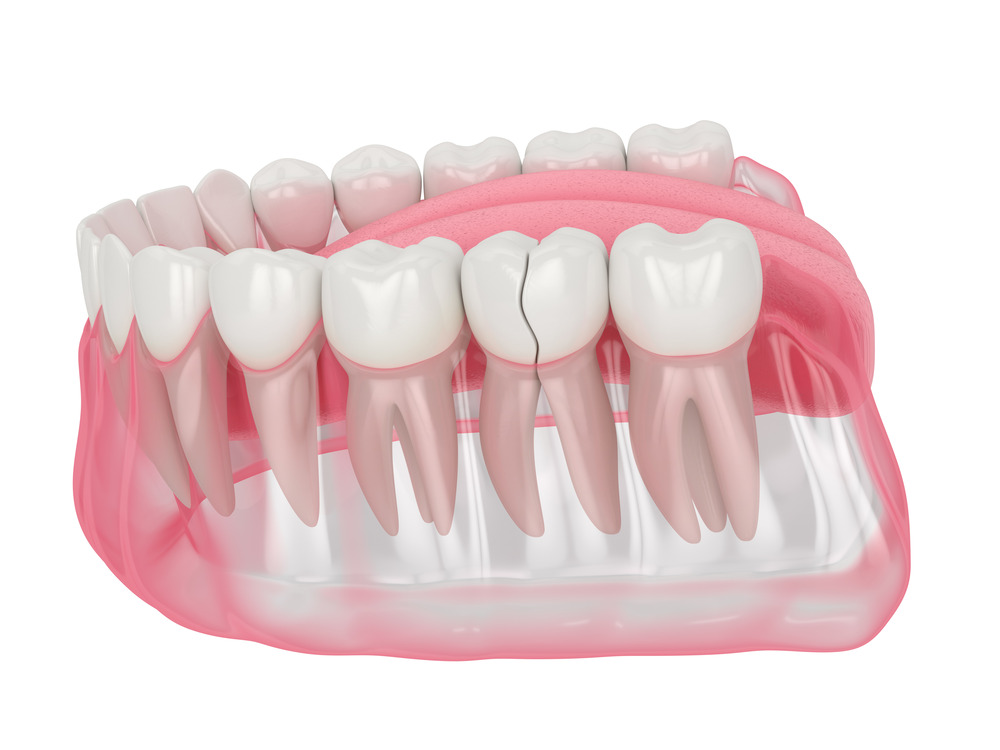
What Is Actually Happening Inside the Tooth
A crack creates a tiny opening. Each time you chew, that opening can flex and widen. Over time, the protective outer layer of the tooth no longer seals the inner structure properly.
Here’s where problems begin.
Bacteria can enter the tooth. Once bacteria pass through the crack, they move toward the nerve. This can lead to inflammation, infection, and deeper structural damage.
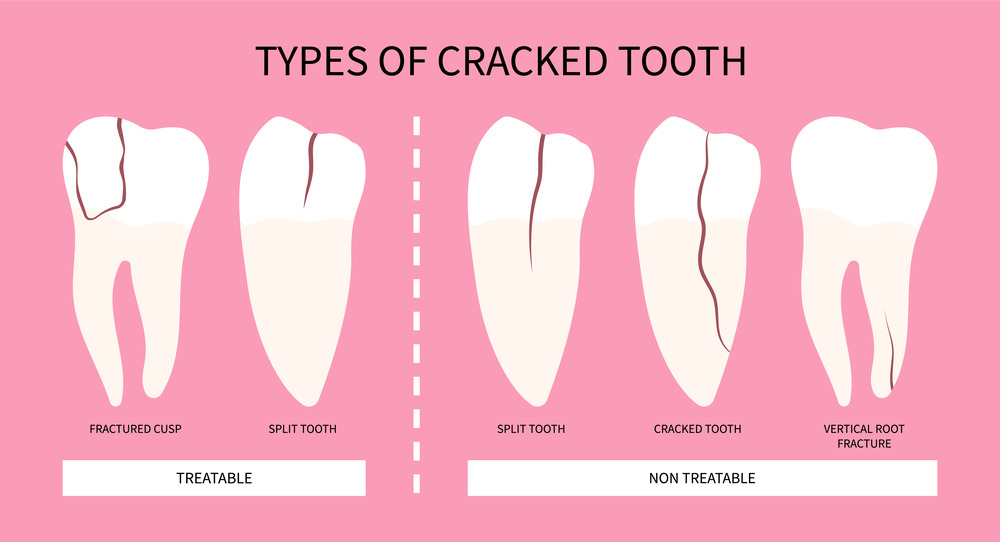
The crack can travel downward. If a crack reaches below the gum line or into the root, the tooth becomes much harder to save.
The tooth weakens overall. A cracked tooth cannot withstand normal biting forces as it once did.
While the issue may seem small at first, the internal damage can grow quietly.
Why Early Treatment Matters So Much
One of the most reliable solutions for a cracked tooth is a dental crown. A crown fits over the entire visible part of the tooth, acting like a strong protective shell.
A dental crown helps by:
Holding the cracked sections together
Restoring full chewing strength
Preventing the crack from spreading
Sealing the tooth against bacteria
At Mission Hill Dental, we carefully assess the tooth, your bite, and the location of the crack before recommending Dental Crowns. Every case is unique, and the goal is long-term stability.
What Happens If You Delay Care
This is where things can change quickly.
A crack that could have been managed with a crown may progress to:
A root canal is performed if the nerve becomes infected
A split tooth that cannot be repaired
Tooth extraction
Replacement options like implants or bridges
That’s a big jump in time, cost, and recovery. Most patients tell us they wish they had come in sooner once they understand what happened.
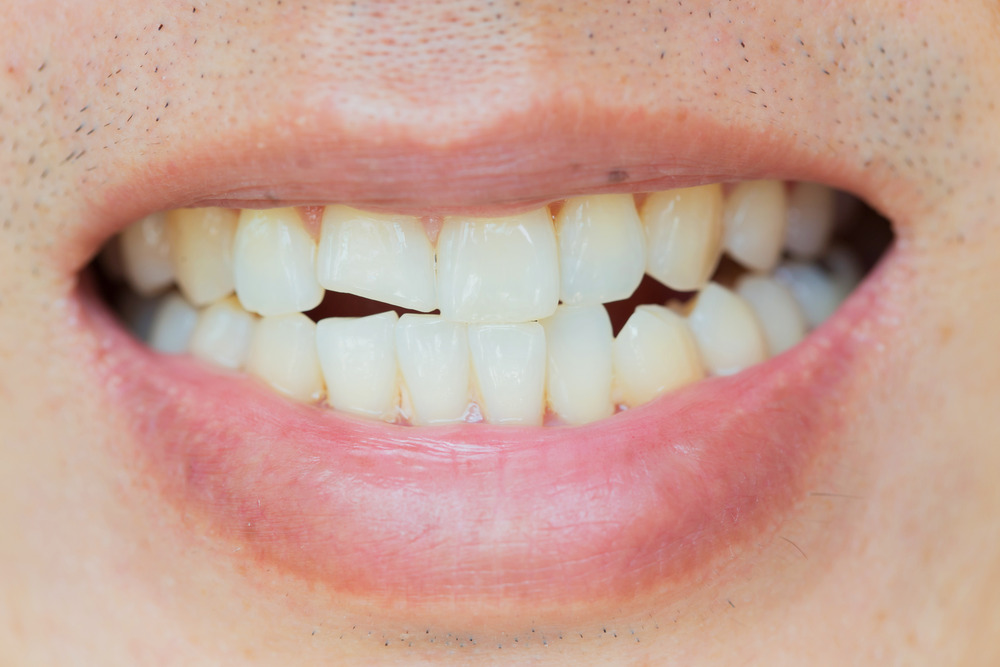
Signs You Should Not Ignore
If you notice any of the following, it’s worth booking an exam:
Pain when biting down
Sudden sensitivity in one tooth
A visible chip or crack
Pain that disappears and returns
Discomfort when chewing tougher foods
Even mild or inconsistent symptoms can signal more serious damage.
Experience Matters With Cracked Teeth
Treating cracked teeth requires careful diagnosis. Not every crack looks the same, and not every tooth responds the same way. Dr. Dimitrov has years of experience helping St. Albert patients manage complex restorative concerns, always with a focus on saving the natural tooth whenever possible.
Patients often share that they appreciate the clear explanations and calm approach. You are shown what is happening, why it matters, and what your options are. There is no pressure, just guidance based on what will give you the best long-term result.
Protect Your Tooth Before It Becomes an Emergency
Cracked teeth rarely improve on their own. But when treated early, they can often be stabilized and preserved for many years.
If something feels off when you chew, trust that instinct. It is always easier to protect a tooth now than to replace it later. The team at Mission Hill Dental in St. Albert is here to help you understand what is happening and take the right next step before a small crack becomes a bigger problem.