
The Most Common Oral Health Questions We Hear, and What They May Mean
Many dental problems do not begin with severe pain. They often start with a small symptom that feels easy to brush off, such as soreness in one area of the gums, a strange taste in your mouth, or bad breath that won’t go away.
These changes may be caused by something minor, but they can also point to plaque buildup, gum disease, tooth decay, infection, clenching, or bite issues. At Mission Hill Dental, we often hear patients ask the same questions when they start to notice something does not feel quite right.
Below, we answer some of the most common oral health questions we hear and explain what they may mean, as well as when it is time to book a dental exam.
Why Do My Gums Hurt in One Spot?
If your gums hurt in one specific area, there may be something local causing irritation rather than a problem affecting your whole mouth.
Common causes
A sore spot on the gums can happen when food gets trapped between the teeth, when you brush too hard in one area, or when the gum tissue becomes inflamed. In some cases, it may also be linked to an early gum infection, an abscess, or irritation around a tooth that is not cleaning properly.
When it may be a sign of something more serious
If the soreness is accompanied by swelling, bleeding, a bad taste, or worsening pain over time, it may be more than simple irritation. These symptoms can sometimes point to infection or the early stages of gum disease.
What to do next
Try gently brushing the area, flossing carefully, and rinsing with warm salt water. If the discomfort persists, it is a good idea to book a dental exam with a family dentist in St. Albert.

What Causes a Bitter Taste in Your Mouth?
A bitter taste in your mouth can be frustrating, especially when it keeps coming back.
Common causes
This symptom may be caused by dry mouth, gum infection, tooth infection, acid reflux, or certain medications. In some cases, poor oral hygiene can allow bacteria to build up, affecting the taste in your mouth.
When to pay attention
If the bitter taste persists or is accompanied by tooth pain, swelling, or bad breath, it should be checked. It may be your mouth’s way of signalling that something is not right.
How Dr. Dimitrov can help
Dr. Dimitrov can look for signs of infection, gum problems, cavities, and other issues that may be contributing to the problem. An initial examination visit can often help narrow down the cause.

Why Does My Tooth Hurt When I Bite Down?
Pain when biting down is one of the most important symptoms not to ignore.
Common causes
This kind of pain may be caused by a cracked tooth, tooth decay, a loose or damaged filling, pressure from an uneven bite, or infection near the root of the tooth.
Why this symptom should not be ignored
When a tooth hurts under pressure, it often indicates a structural problem or inflammation inside or around the tooth. The longer it is left, the more likely it is to become worse.
Possible treatment options
Depending on the cause, treatment may include a filling, crown, bite adjustment, or other restorative dentistry options. If the pain is severe or sudden, emergency dentistry may be needed.

Why Are My Gums Bleeding Even When I Brush Gently?
Many people assume bleeding gums are normal, but healthy gums should not bleed regularly.
Common causes
Bleeding gums are often linked to plaque buildup and gingivitis. They can also happen when oral hygiene habits are inconsistent, when someone has recently changed their brushing or flossing routine, or during certain hormonal changes.
Why bleeding gums matter
Bleeding is often one of the first signs of gum inflammation. If the problem is ignored, it can progress into more serious gum disease over time.
When to book a visit
If your gums bleed often or feel swollen, tender, or irritated, it is a good time to book a dental cleaning and ask about gum disease treatment.

Why Does One Tooth Feel Loose?
A loose adult tooth should always be taken seriously.
Common causes
One tooth may feel loose due to gum disease, injury, infection, bone loss, or excessive bite pressure from clenching or grinding. Sometimes the issue develops slowly, and other times it appears more suddenly.
Why you should act quickly
The earlier the cause is identified, the better the chances of protecting the tooth and surrounding bone. Waiting too long can make treatment more difficult.
What treatment may involve
Treatment may include periodontal care, bite correction, splinting, or other forms of restorative dentistry, depending on the cause.
Why Do My Teeth Feel Fuzzy Even After Brushing
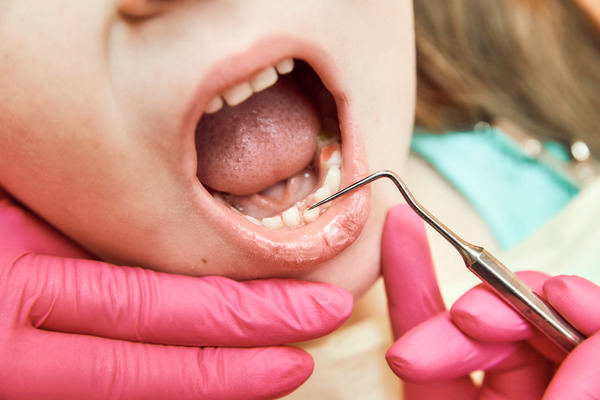
If your teeth still feel fuzzy after brushing, plaque may still be left behind.
Common causes
This can happen when brushing is too quick, the technique is ineffective, tartar is beginning to form, or dry mouth makes it easier for buildup to stick to the teeth. Diet can also play a role.
What the “fuzzy” feeling usually means
In most cases, that fuzzy feeling means plaque is still sitting on the teeth, especially near the gumline or between the teeth.
How to improve it
Better brushing technique, flossing, staying hydrated, and regular dental cleaning appointments can all help improve that clean feeling.

Why Is There a White Spot on My Gums?
A white spot on the gums may be harmless, but it should still be monitored.
Common causes
White spots can be caused by a canker sore, friction from biting the area, irritation from food or appliances, healing tissue, infection, or a lesion that needs professional attention.
When to be concerned
If the white spot lasts for more than 1 to 2 weeks, becomes painful, grows, or does not seem to heal, it should be examined.
Why is an exam important?
Changes in the soft tissues of the mouth should not be ignored. A dental exam can help determine whether the area is healing normally or needs treatment.
Why Does My Breath Still Smell Bad After Brushing?
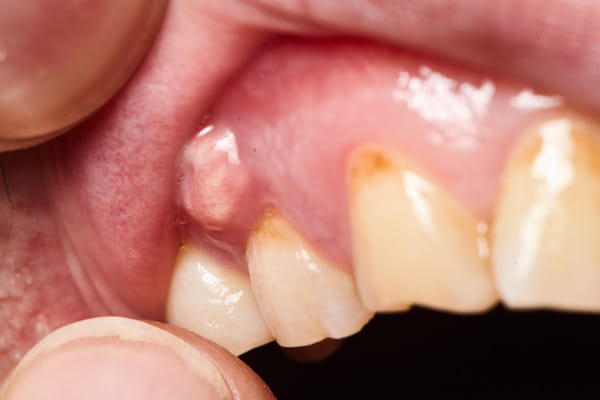
Bad breath that does not improve with brushing may have a deeper cause.
Common causes
Persistent bad breath can be linked to bacteria on the tongue, gum disease, cavities, dry mouth, tonsil stones, and even digestive issues in some cases.
Why brushing alone may not solve it
Brushing your teeth is important, but it does not always remove bacteria from the tongue, gum pockets, or hard-to-reach areas. If infection or gum inflammation is present, brushing alone will not fix the issue.
What can help
Tongue cleaning, flossing, hydration, and a professional assessment can help identify the cause. Sometimes, a visit for general dentistry or gum disease treatment is the best next step.

Why Does My Jaw Feel Sore in the Morning?
Waking up with jaw soreness is often a sign that your jaw is under stress while you sleep.
Common causes
The most common cause is clenching or grinding at night. TMJ strain, bite imbalance, and stress-related tension can also contribute.
What other symptoms may show up
Jaw soreness may be accompanied by headaches, tooth wear, facial tension, or jaw joint clicking.
How it may be treated
Treatment depends on the cause, but it may include a mouthguard, a bite assessment, or support for TMJ treatment.

Why Do I Have a Metallic Taste in My Mouth?
A metallic taste can feel strange, but it sometimes points to a dental issue.
Common causes
This taste may occur due to bleeding gums, infection, dry mouth, medication side effects, or certain dental restorations in some cases.
When to get it checked
If the taste persists or is accompanied by bleeding, pain, swelling, or bad breath, it is worth having checked by a dentist.
What Dr. Dimitrov may look for
A dentist may look for signs of gum disease, tooth infection, inflammation, or other oral health problems that could be contributing to the symptom.
When Oral Symptoms Should Not Be Ignored?
Some oral health symptoms are worth watching, but others should be assessed sooner rather than later.
You should book an appointment if you notice:
- swelling in the gums or face
- bleeding that keeps happening
- pain when chewing
- a loose adult tooth
- a bad taste that does not go away
- bad breath that persists even with good oral hygiene
- sores, spots, or patches that do not heal
When symptoms last longer than expected, keep returning, or start to get worse, it is always better to have them checked before they become more serious.
Get Answers From Dr. Dimitrov
Unusual symptoms in your mouth do not always indicate a major problem, but they should not be ignored if they persist. Catching an issue early can often make treatment simpler, more comfortable, and more affordable.
If you have noticed changes in your gums, teeth, breath, or jaw, the team at Mission Hill Dental is here to help. Booking a visit with Dr. Dimitrov in St. Albert can provide answers and help protect your long-term oral health.
Dr. Dimitrov can look for signs of infection, gum problems, cavities, and other issues that may be contributing to the problem. An initial examination visit can often help narrow down the cause.