Why Are My Gums Bleeding When I Brush My Teeth?
If your gums bleed when you brush, it can be easy to brush the pain off and assume you brushed too hard. A small spot of blood in the sink may not seem like a big deal at first. Still, bleeding gums are often a sign that something is not quite right.
In many cases, bleeding gums are among the earliest warning signs of problems that may require Gum Disease Treatment. The good news is that early care can make a big difference. If you address the problem early, you may be able to avoid more serious issues such as gum recession, loose teeth, or discomfort while eating and brushing.
At Mission Hill Dental in St. Albert, Dr. Dimitrov helps patients understand what their symptoms mean and what steps to take next. If your gums bleed when you brush, it is worth paying attention and booking a visit.
Is it Normal for Gums to Bleed When You Brush?
A lot of people assume occasional bleeding is normal, especially if they have started flossing again or switched to a new toothbrush. While there can be a short adjustment period in some cases, healthy gums should not bleed regularly.
If your gums bleed often, even lightly, it usually means they are inflamed. This inflammation may be caused by plaque buildup near the gumline, brushing habits that irritate the tissue, or early gum disease.
Bleeding is your body’s way of signalling that your gums need attention. Even if there is no pain, it is still a symptom worth checking during Teeth Cleaning & Check-Ups.

The Most Common Reasons Your Gums Bleed
Plaque Buildup Along the Gumline
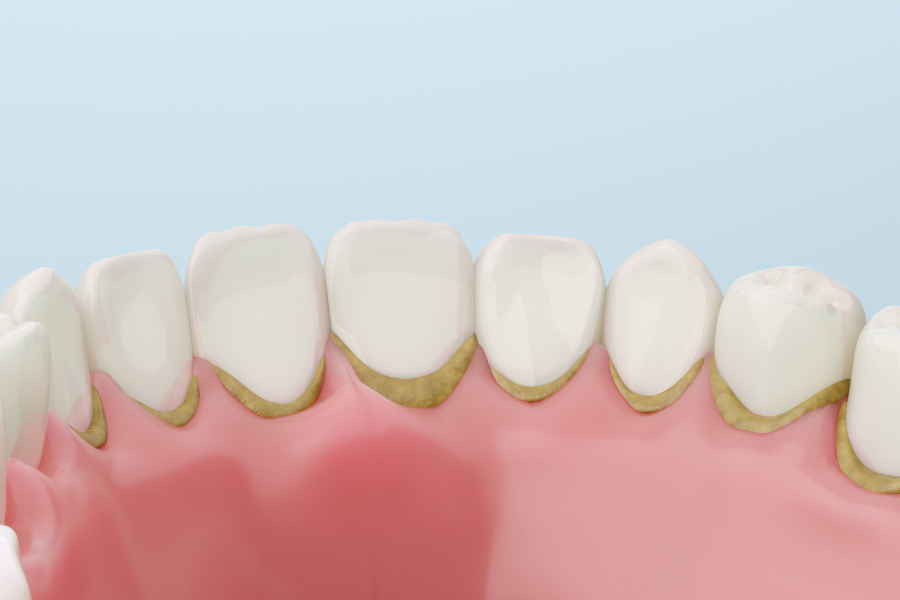
The most common cause is plaque. Plaque is a sticky film of bacteria that builds up on your teeth every day. If it is not removed well, it can irritate your gums and cause redness, swelling, and bleeding.
Over time, plaque can harden into tartar, which is harder to remove at home. Once that happens, a professional cleaning becomes even more important. This is where regular
Teeth Cleaning & Check-Ups can help prevent irritation from getting worse.

Gingivitis
Gingivitis is the early stage of gum disease. It often causes bleeding when brushing or flossing, along with tenderness or gum puffiness. At this stage, the condition is still treatable and may be reversed with good home care and professional dental treatment.
If gingivitis is not addressed, it can progress and may require more involved
Gum Disease Treatment. This is something Dr. Dimitrov can assess during an exam.
Flossing Changes
If you have recently started flossing again after a while, you may notice some bleeding at first. This can happen when inflamed gums are disturbed. In many cases, consistent, gentle flossing can improve gum health over time. If the bleeding does not improve, there may be an underlying issue.
A proper exam during
Teeth Cleaning & Check-Ups can help determine whether the problem is temporary irritation or something more serious.
Other Health or Lifestyle Factors
Dry mouth, smoking, certain medications, hormonal changes, and health conditions can also affect your gums. These do not always cause bleeding on their own, but they can make the tissue more sensitive and more likely to react to plaque and bacteria.
What Bleeding Gums Can Mean If You Ignore Them
One of the biggest mistakes people make is assuming bleeding gums are minor and will go away on their own. Sometimes they do improve with better brushing habits, but persistent bleeding can also be a sign that gum disease is developing.
If gum disease is left untreated, it can progress from gingivitis to a more advanced stage called periodontitis. This can lead to:
- Gum recession
- Bad breath
- Ongoing tenderness
- Loose teeth
- Bone loss around the teeth
- A greater risk of tooth loss
That is why early treatment matters. Catching the issue early is usually simpler, less invasive, and easier to manage
Signs You Should Book a Dental Visit
If your gums bleed once after brushing too hard, it may not be urgent. But if the bleeding keeps happening, it is worth having it assessed.
You should book a dental visit if you notice:
- Bleeding every time or almost every time you brush
- Red, swollen, or tender gums
- Persistent bad breath
- Receding gums
- Pain when flossing
- Loose teeth
- A bad taste in your mouth that does not go away
These symptoms can point to more than simple irritation. A dental exam can help identify the underlying cause and provide a plan to treat it properly. In many cases, Dr. Dimitrov can spot early signs of gum problems before they become more serious.
How a Dentist Can Help Treat Bleeding Gums
The right treatment depends on the cause of the bleeding. At Mission Hill Dental, the first step is figuring out whether the issue is related to plaque buildup, brushing technique, gum disease, or another concern.
Treatment may include:
- A professional cleaning to remove plaque and tartar
- A review of your brushing and flossing habits
- Recommendations for a softer toothbrush or gentler technique
- Treatment for gingivitis or more advanced gum issues
- Ongoing monitoring to help prevent the problem from returning
If gum disease is present, early care can help protect your gums and teeth. In many cases, patients benefit from Teeth Cleaning & Check-Ups, while others may need focused Gum Disease Treatment depending on the severity of the issue. Dr. Dimitrov can recommend the right next step based on your symptoms and oral health.
What You Can Do at Home to Help
There are also a few things you can do at home to support healthier gums.
- Use a soft-bristle toothbrush
- Brush gently in small circular motions
- Floss daily, even if there is mild bleeding at first
- Avoid skipping cleanings
- Stay hydrated if dry mouth is an issue
- Do not ignore changes in your gums
A common concern is that people stop flossing when they see blood. In reality, if the bleeding is caused by plaque-related inflammation, consistent gentle flossing may help reduce it over time. The key is to be gentle and consistent, not harsh.
If your gums bleed when you brush in St. Albert, it is worth taking seriously, especially if it keeps happening. Healthy gums should not bleed regularly, and even mild bleeding can be an early warning sign that something needs attention.
A professional dental exam can help you identify the cause, improve your gum health, and prevent the issue from worsening. If you have noticed bleeding, swelling, or tenderness, now is a good time to have it checked.
Mission Hill Dental is here to help patients in St. Albert understand what their symptoms mean and what steps to take next.