
TMJ & TMD In St. Albert
Pain or Tenderness in Your Jaw Area?
Or is your jaw clicking, popping or getting stuck?
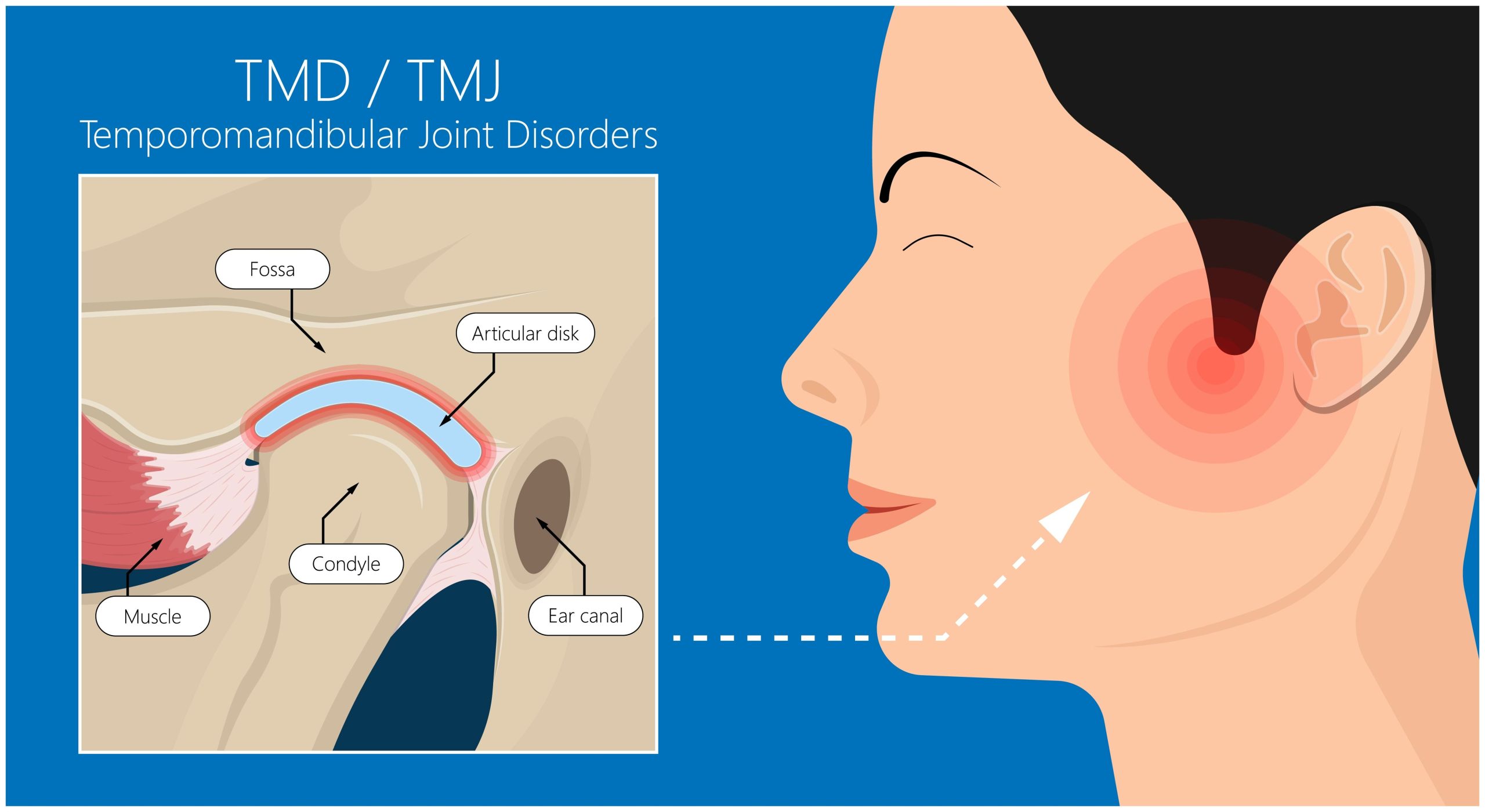
Temporomandibular disorders (TMD), sometimes referred to as TMJ, are problems with your jaw and the muscles in your face. These disorders can cause people to have problems with moving their jaw up and down, side to side or when talking, chewing or yawning.

Your temporomandibular joint is the hinge that connects your jaw to the temporal bones of your skull; these temporal bones are in the front of each ear. Often TMJ or TMD is when your jaw is misaligned forcing a host of painful or limiting symptoms to occur.
Related Services
Emergency Cases
If You Are In the St. Alberta Area and Have a Dental Emergency. Please Call Us At:
What Are the Symptoms of TMD?
Common symptoms include:
- Pain or tenderness in your face, jaw area, or around the ear area when you chew, speak, or open your mouth wide.
- An uncomfortable bite
- Click, popping, or grating sounds in the jaw joint when you open or close your mouth or chew
- Jaws that get stuck or locked in open- or closed-mouth position

How Causes TMD?
Problems that arise to your jaw or muscles can come from many things, including:
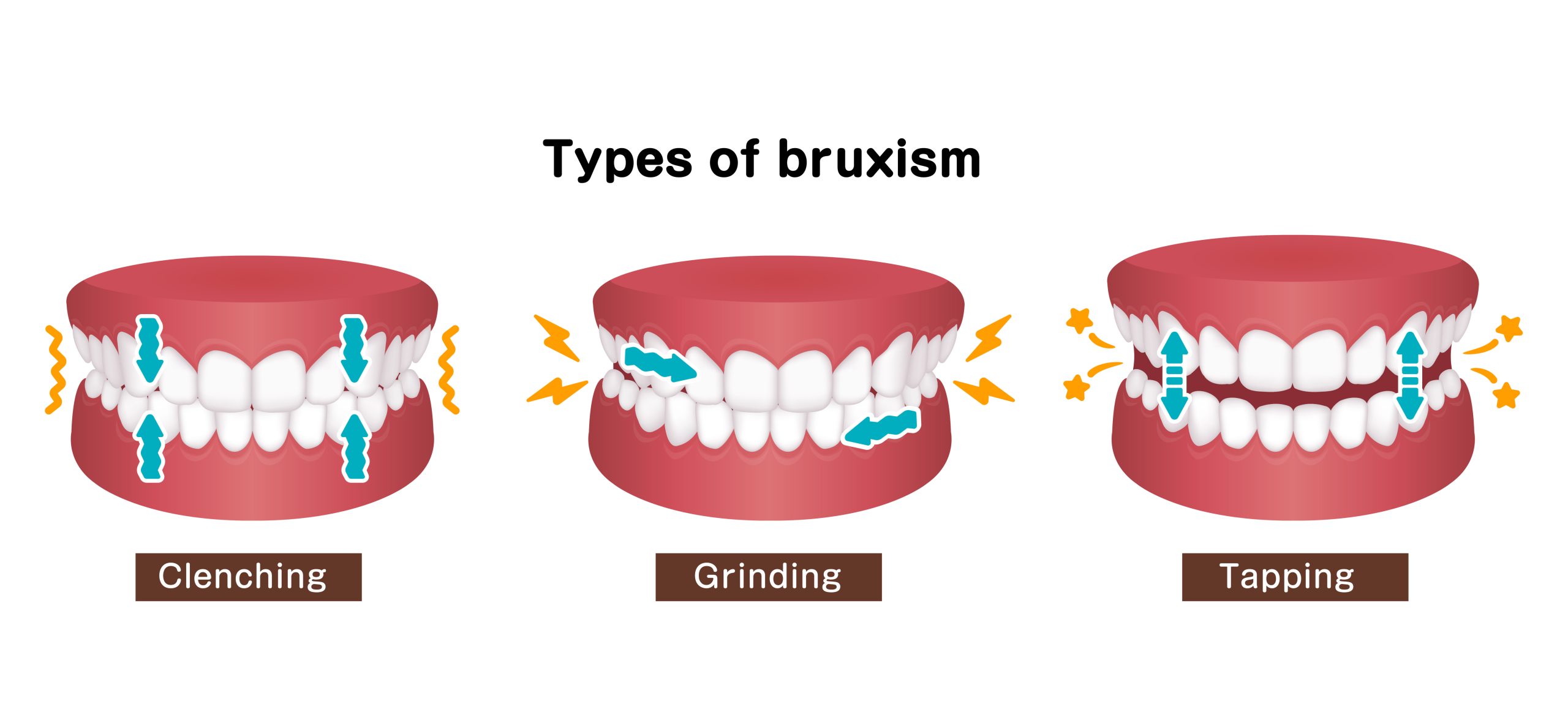
- You are grinding or clenching your teeth, which causes pressure on the joint. Clenching or grinding can happen when you are sleeping or stressed out; see Night Guard for help with your sleep.
- Movement of the soft cushion or disc between the ball and socket of the joint
- Arthritis in the joint
- Injuries to your jaw, joint or muscles of your head and neck
Do you suffer from TMD Disorders?
Contact Mission Hill Dental to help you treat your TMD pain
Do you suffer from TMD Disorders?
Contact Mission Hill Dental to help you treat your TMD pain
How Mission Hill Dental Can Treat TMJ Options
- TENS therapy – TENS therapy utilizes electric currents to help relax the jaw muscles. Your jaw is relieved of pain and helps to find the ideal position for your jaw.
- Orthodontic devices offer a longer-term solution as they hold the jaw comfortably and prevent your teeth from clenching and grinding (bruxism). Often, TMJ symptoms are relieved after a patient uses orthodontic devices.
What Are Some At-Home TMJ Treatment Options
If you feel like you are suffering due to TMD or TMJ, these at-home treatments can help provide some relief:
- Using a warm compress on your jaw
- Over-the-counter pain medication such as Tylenol
- Avoid eating hard, crunchy or chewy foods
- Gently stretch your jaw, and try to relax it as much as possible
Questions We Often Hear From Patients
When Should I See a Doctor for TMJ Symptoms?
You should consider seeing a doctor or a dentist specializing in TMJ disorders if:
- The persistent jaw pain or discomfort does not improve with self-care measures.
- You experience severe pain or have difficulty opening or closing your jaw.
- The jaw clicks, pops, or locks and causes pain or a limited range of motion.
- You have headaches, earaches, or pain that radiate from the jaw to other areas.
- TMJ symptoms interfere significantly with eating, speaking, or daily activities.
- A healthcare provider can assess your symptoms, make a diagnosis, and recommend appropriate treatment options.
Are Mouthguards Effective in Treating TMJ Disorders?
Mouthguards, also known as dental splints or occlusal appliances, can be effective for individuals with TMJ disorders, particularly those who grind or clench their teeth (bruxism). They work by:
- Reducing the strain on the jaw joints and muscles.
- Preventing teeth grinding and clenching, especially during sleep.
- Helping to realign the jaw and bite position in some cases.
It’s important to have a mouthguard custom-fitted by a dentist to ensure it is effective and doesn’t cause further issues. Over-the-counter mouthguards are generally not recommended for treating TMJ disorders as they might not fit properly.
Are There Any Long-Term Complications of TMJ Disorders?
- If left untreated, TMJ disorders can lead to longer-term complications, including:
- Chronic jaw pain and discomfort.
- Persistent headaches or migraines.
- Irreversible damage to the jaw joint, including increased wear and tear.
- Development or worsening of bruxism (teeth grinding) can lead to tooth damage.
- Difficulty chewing and speaking in severe cases.
- Potential development of other chronic pain conditions due to ongoing discomfort.
- While not all cases of TMJ disorders lead to severe long-term complications, proper treatment and management are important to prevent worsening symptoms and to improve quality of life.

Meet Dr. Arnold Dimitrov
Dr. Arnold Dimitrov has been helping patients in St. Albert and in the surrounding area relieve their TMD and TMJ pain for the past 30 years. Dr. Dimitrov will work closely with you to determine the best TMJ treatment plan for your unique circumstances.
Schedule an Initial Consultation with Dr. Arnold Dimitrov
Related Services