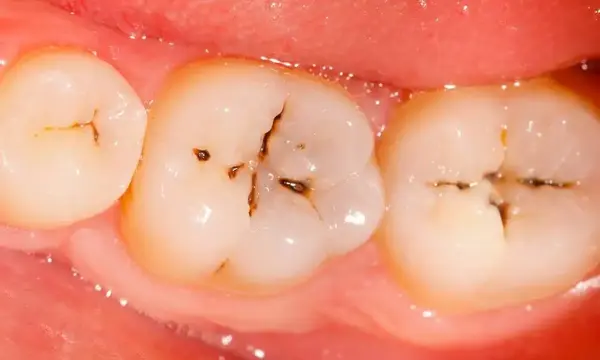
A Tooth Abscess all starts when bacteria enter the tooth or gums—often through a cavity, a cracked tooth, or a gum pocket. At this stage, the infection might not be visible. You may feel a dull ache or tooth sensitivity to hot or cold, but many people don’t notice symptoms right away.
Tooth Abscess Stages and How to Repair a Dental Abscess
A tooth abscess isn’t something to ignore—it’s a serious dental issue that can cause intense pain and swelling and even lead to complications if left untreated. At Mission Hill Dental in St. Albert, we often see patients with dental abscesses that started as something small, like a cavity or gum irritation.
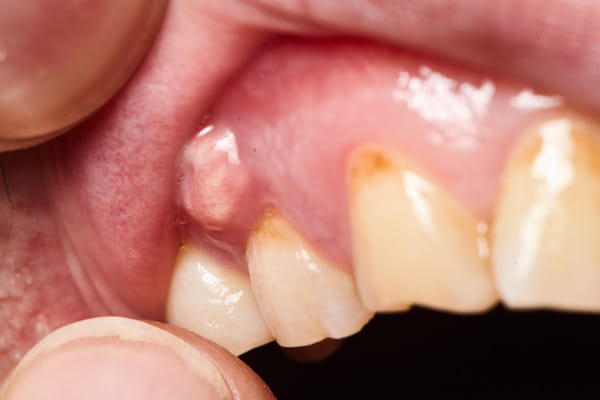
With the right care and timing, abscesses can be treated effectively, and your oral health can be restored.
Let’s explore what a tooth abscess is, how it progresses, and how Dr. Dimitrov approaches treatment to protect your smile.
What Is a Tooth Abscess?
To understand how to treat an abscess, it’s helpful to first know what it is. A tooth abscess is a pocket of pus caused by a bacterial infection. It can develop in various parts of the mouth, depending on the origin of the infection:
– Periapical abscess – occurs at the tip of the tooth root due to deep decay or trauma
– Periodontal abscess – forms in the gum tissue around the tooth, often due to gum disease
– Gingival abscess – develops on the surface of the gums, usually from food or debris trapped under the gumline

No matter where the infection begins, an abscess is your body’s way of fighting off bacteria. Left untreated, it can spread to nearby tissues, bones, and even your bloodstream.
Stages of a Tooth Abscess
Like many infections, a tooth abscess progresses in stages. Recognizing these stages can help you seek treatment before complications occur.
Stage 1: Initial Bacterial Infection
It all starts when bacteria enter the tooth or gums—often through a cavity, a cracked tooth, or a gum pocket. At this stage, the infection might not be visible. You may feel a dull ache or tooth sensitivity to hot or cold, but many people don’t notice symptoms right away.
Stage 2: Pus Formation and Swelling
As the immune system responds, white blood cells accumulate to fight the bacteria, creating pus. Swelling becomes more visible, and pain often becomes sharp or throbbing. You may notice swelling in your gums or even your cheek or jaw.
Stage 3: Spreading Infection
If the infection isn’t treated, it begins to spread beyond the tooth. You might develop a fever, swollen lymph nodes, or have difficulty swallowing or opening your mouth. Pain becomes more intense and persistent, and the risk of bone loss increases.
Stage 4: Rupture or Complications
Eventually, the abscess may rupture, causing pus to drain into the mouth. While this can temporarily relieve pressure, it does not mean the infection is gone. If untreated, the bacteria can spread to the jawbone, bloodstream, or other areas of the body, potentially leading to serious health risks.
Common Symptoms of a Tooth Abscess
While symptoms can vary, here are the most common signs that you may be dealing with an abscess:
– Persistent, throbbing toothache
– Swelling in the face, cheek, or jaw
– Red, inflamed, or bleeding gums
– Bad breath or a foul taste in your mouth
– Fever or general feeling of being unwell
– Pain when chewing or biting
– Tooth sensitivity to hot, cold, or pressure

If you’re experiencing any of these symptoms, booking a dental appointment as soon as possible is important.
How Dr. Dimitrov Repairs a Tooth Abscess
Once a dental abscess is diagnosed, Dr. Dimitrov will recommend a treatment plan based on the infection’s severity and the tooth’s condition. At Mission Hill Dental, we focus on relieving your pain, eliminating the infection, and restoring your oral health.
Draining the Abscess
In some cases, the first step is to make a small incision in the gum to drain the pus and relieve pressure. A round of antibiotics often follows this to help clear up the infection and prevent it from spreading further.
Root Canal Therapy
A root canal may be necessary if the infection has reached the pulp (the innermost part of the tooth). This procedure involves removing the infected tissue, cleaning the root canals, and sealing the tooth. Afterward, a crown is typically placed to restore strength and function. This approach allows us to save your natural tooth.
Tooth Extraction
Dr. Dimitrov may recommend extracting the tooth if it is too damaged to be saved. After the extraction, the abscess is drained, and the area is cleaned. In some cases, antibiotics are prescribed. We’ll also discuss your options for tooth replacement, such as a dental implant or bridge, to maintain your bite and appearance.
Aftercare and Healing
No matter the treatment method, proper aftercare is essential for healing and avoiding reinfection. Dr. Dimitrov will provide clear instructions, which may include:
– Taking all prescribed antibiotics
– Rinsing with warm salt water to keep the area clean
– Managing discomfort with over-the-counter pain relievers
– Avoiding hard or hot foods during healing
– Returning for follow-up visits to monitor your recovery and complete any needed restoration work
Most patients feel better within a few days, especially after the infection is controlled.
Preventing Tooth Abscesses
While not all dental abscesses can be avoided, many can be prevented through good oral hygiene and regular dental care. Here’s how:
– Brush twice a day with fluoride toothpaste
– Floss daily to remove plaque and food particles
– Limit sugary foods and drinks, which feed bacteria
– Visit your dentist regularly for checkups and cleanings
– Don’t ignore tooth pain—early intervention can prevent serious infections

Dr. Dimitrov and the team at Mission Hill Dental are always here to answer your questions and help you prevent dental issues before they escalate.