
A bright, dazzling smile is something many of us desire. In this comprehensive guide, we’ll delve into teeth whitening. We’ll explore the various options available, discuss the longevity of teeth whitening results, explain why your teeth darken or yellow over time, reveal whether whitening is truly permanent, and offer tips on rehydrating your teeth after treatment. If you are located in St. Albert, we’ll guide you to the trusted professionals at Mission Hill Dental for your teeth whitening needs.
Why Do Teeth Get Yellow?
- Dietary Choices: Certain foods and beverages, like coffee, tea, red wine, and highly pigmented foods, can stain your teeth over time. Even if you brush regularly, these stains can accumulate and lead to discoloration.
- Tobacco Use: Smoking or using tobacco products is a common cause of yellowing teeth. Tar and nicotine in tobacco can create stubborn stains that brushing alone may not remove.
- Aging: As we age, the enamel on our teeth naturally wears down, revealing the dentin layer underneath. Dentin is naturally yellowish, so as it becomes more visible, your teeth may appear yellow.
- Medications: Certain medications, such as tetracycline antibiotics, can cause tooth discoloration as a side effect. If you’re on medication and notice changes in the colour of your teeth, consult your doctor.
- Poor Brushing Technique: Effective brushing involves not just frequency but also technique. Brushing too hard or using a toothbrush with bristles that are too firm can lead to enamel wear and potentially yellowing.

What Are The Different Teeth Whitening Options
Teeth whitening has come a long way. You can choose between in-office treatments performed by dental professionals or out-of-office solutions, like take-home kits and over-the-counter products. In-office treatments offer immediate, noticeable results, but they tend to be more expensive. Out-of-office options are convenient and budget-friendly, but they may take longer to achieve the desired brightness. We’ll weigh the pros and cons of each to help you make an informed decision.
In-office Whitening
In-office treatment allows for patients to get whitening in the dental chair. When you are in the chair, our team will isolate and protect your gums and apply a whitening agent to your teeth. Then, you will sit with a UV light on your teeth for 15 minutes. Although you will notice a difference after your first visit, we typically recommend you book 3 or 4 appointments to notice a complete transformation.

Take-Home Whitening
A dentist-made, custom, take-home teeth whitening system is a popular way to whiten your teeth effectively. Teeth Whitening or bleaching is a simple, safe, and non-invasive way to change the colour of your natural enamel. Teeth Whitening is an ideal way to enhance the beauty of your smile quickly and easily.
Take-home whitening trays are custom-made to fit your teeth. A peroxide whitening gel is placed in the custom tray, and you will wear it daily for 30 minutes – an hour. Depending on each patient, you should see your teeth whitened in 5 – 10 days.

Over-the-Counter Whitening
Over-the-counter teeth whitening products have gained popularity for their accessibility and affordability. These products typically include whitening toothpaste, whitening strips, and whitening gels. While they can be effective to some extent, managing your expectations is important. Over-the-counter options often contain lower concentrations of whitening agents than professional treatments, meaning results may take longer to become noticeable. Additionally, some individuals may experience tooth sensitivity or gum irritation when using these products.
Is Teeth Whitening Permanent?
It’s a common misconception that whitening provides permanent results. While your teeth can remain bright for a significant amount of time, they are not immune to staining and discoloration. Similar to why teeth yellow: natural aging, dietary choices, medication, or inconsistent oral care. Teeth bleaching treatments can provide long-lasting results, but over time, your teeth may gradually lose some of their whiteness due to external factor
Can Yellow Teeth Become White Again?
The answer is a resounding “yes” — yellow teeth can indeed be transformed into a brighter, whiter shade with the help of teeth whitening procedures, cosmetic dentistry and lifestyle changes.
Lifestyle Adjustments: Alongside teeth whitening treatments, consider lifestyle adjustments to prevent further yellowing. Limit your consumption of staining foods and beverages, quit smoking or tobacco use, and maintain a diligent oral hygiene routine.
Cosmetic Dentistry: In some cases, dentists may recommend a combination of treatments. For instance, if your teeth have internal staining due to factors like tetracycline use during childhood, a dentist may suggest veneers or crowns in addition to teeth whitening for optimal results. Dentists can provide personalized recommendations and treatment plans tailored to your needs. For more information on Cosmetic Dentistry, then click to see our Cosmetic Dentistry webpage.
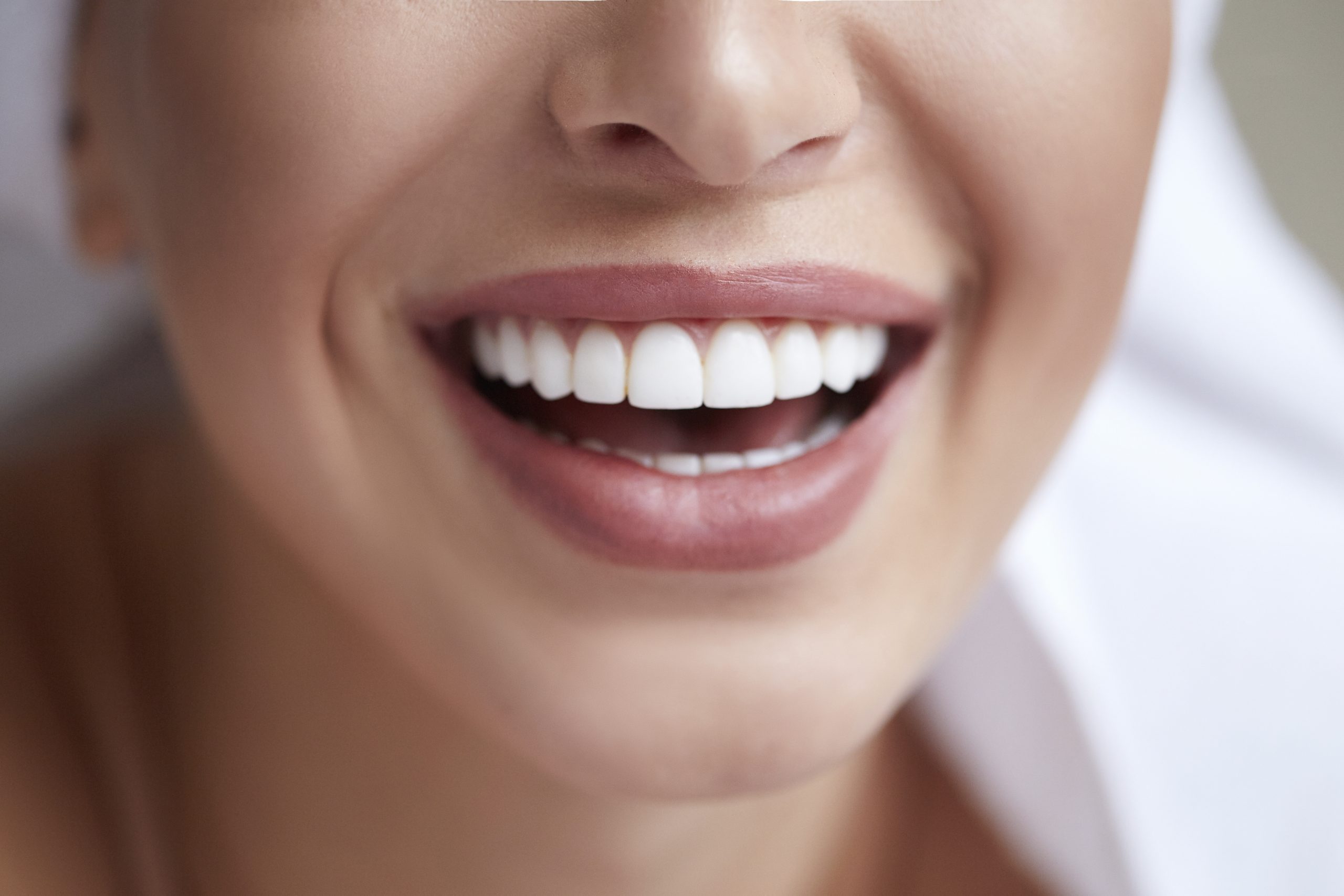
How to Rehydrate Teeth After Whitening
Whitening can leave your teeth looking brilliantly white, but it’s essential to understand that the process can temporarily dehydrate your enamel, increasing tooth sensitivity and discomfort. However, there are effective strategies to rehydrate your teeth and maintain their health and comfort after whitening:
1. Stay Hydrated: One of the simplest yet most crucial steps is to stay well-hydrated. Drinking plenty of water helps restore moisture to your mouth and teeth. It also helps rinse away any residual whitening gel or chemicals, reducing the risk of sensitivity.
2. Use Fluoride Toothpaste: Switch to a fluoride toothpaste designed for sensitive teeth. Fluoride helps strengthen tooth enamel and reduces sensitivity. Brush your teeth gently with a soft-bristle toothbrush to avoid further enamel damage.
3. Avoid Hot and Cold Foods: Immediately after teeth whitening, avoid consuming extremely hot or cold foods and beverages, as these can trigger sensitivity. Opt for lukewarm or room temperature items instead.
4. Avoid Acidic Foods: Acidic foods and drinks, like citrus fruits and carbonated sodas, can exacerbate tooth sensitivity. Limit your consumption of acidic items during the initial days after whitening.
5. Saltwater Rinse: A gentle saltwater rinse can soothe sensitive teeth. Dissolve half a teaspoon of salt in warm water and swish it around your mouth for about 30 seconds, then spit it out.
6. Avoid Teeth-Staining Substances: To maintain your newly whitened smile and minimize the risk of further staining, avoid tobacco products, dark-coloured foods, and drinks for a few days after whitening.
Remember that tooth sensitivity after whitening is usually temporary and should improve within a few days to a week. If you experience severe or prolonged sensitivity, you should consult your dentist.
Where to Get Teeth Whitening in St. Albert?
For professional and reliable teeth whitening services, look no further than Mission Hill Dental. Our experienced team is dedicated to enhancing your smile’s beauty and health. Located at 398 St Albert Trail Unit 101, T8N 5J9, we offer a range of teeth whitening options tailored to your needs. Contact us at (780) 460-9880 to schedule an appointment, or visit our home page for more information.
In the pursuit of a brighter, more confident smile, teeth whitening is a remarkable solution. While it may not be permanent, its effects are undeniably transformative. By understanding your options, taking care of your teeth, and seeking professional guidance, you can enjoy the benefits of a dazzling smile for years.